
Real
experience.
Built from the needs of our own homeschool family.

Rebecca Farris has spent more than 35 years inside homeschooling as a student, a mother of five, and a creator of resources for families like hers. That experience became the foundation of Well Planned Advertiser.
Learn More of Our JourneyThe work grew from needs Rebecca encountered herself: resources for her family, better ways to reach customers, and technology that could serve a community conventional tools struggled to understand. Each solution opened the door to the next chapter.
Built from the needs of our own homeschool family.
Turning challenges into useful products, technology and reach.
More opportunities for the homeschool community.
Long before Well Planned Advertiser existed, we were learning, building, publishing, selling and solving problems inside the same community our clients want to reach today.
Rebecca's connection to homeschooling began before it was a market, an audience segment or a business opportunity. It was simply part of her life.
Rebecca was homeschooled during the years when families were still working for recognition and legal protection. In Tennessee, she helped her father advocate for families' right to educate their children at home. She saw firsthand that homeschooling was more than an educational choice. It was a community of families willing to build something different for their children.
Those early experiences gave Rebecca an understanding of the people, values and convictions behind the homeschool movement. She learned how families talked about education, what mattered to them and why their decisions often looked different from those of the broader education market.
That perspective stayed with her as homeschooling grew from a relatively small movement into a nationwide educational community. Decades later, the families Well Planned Advertiser helps brands reach are part of a community Rebecca has understood from the inside for most of her life.

Technology came first. Rebecca taught herself database programming and learned to build software around real problems that needed practical solutions.
Before publishing magazines, planners or curriculum, Rebecca taught herself database programming and built a software design business. Technology became a way to take complicated information, organize it and turn it into something people could actually use.
That experience shaped an approach she would carry into every business that followed. Start by understanding the problem. Look carefully at the information behind it. Find the connections that are easy to miss. Then build a system that makes the problem easier to solve.
Long before data and technology became central to modern advertising, Rebecca was already thinking in terms of systems, information and practical applications. Publishing would eventually become the visible business, but the instinct to build technology behind the solution was there from the beginning.
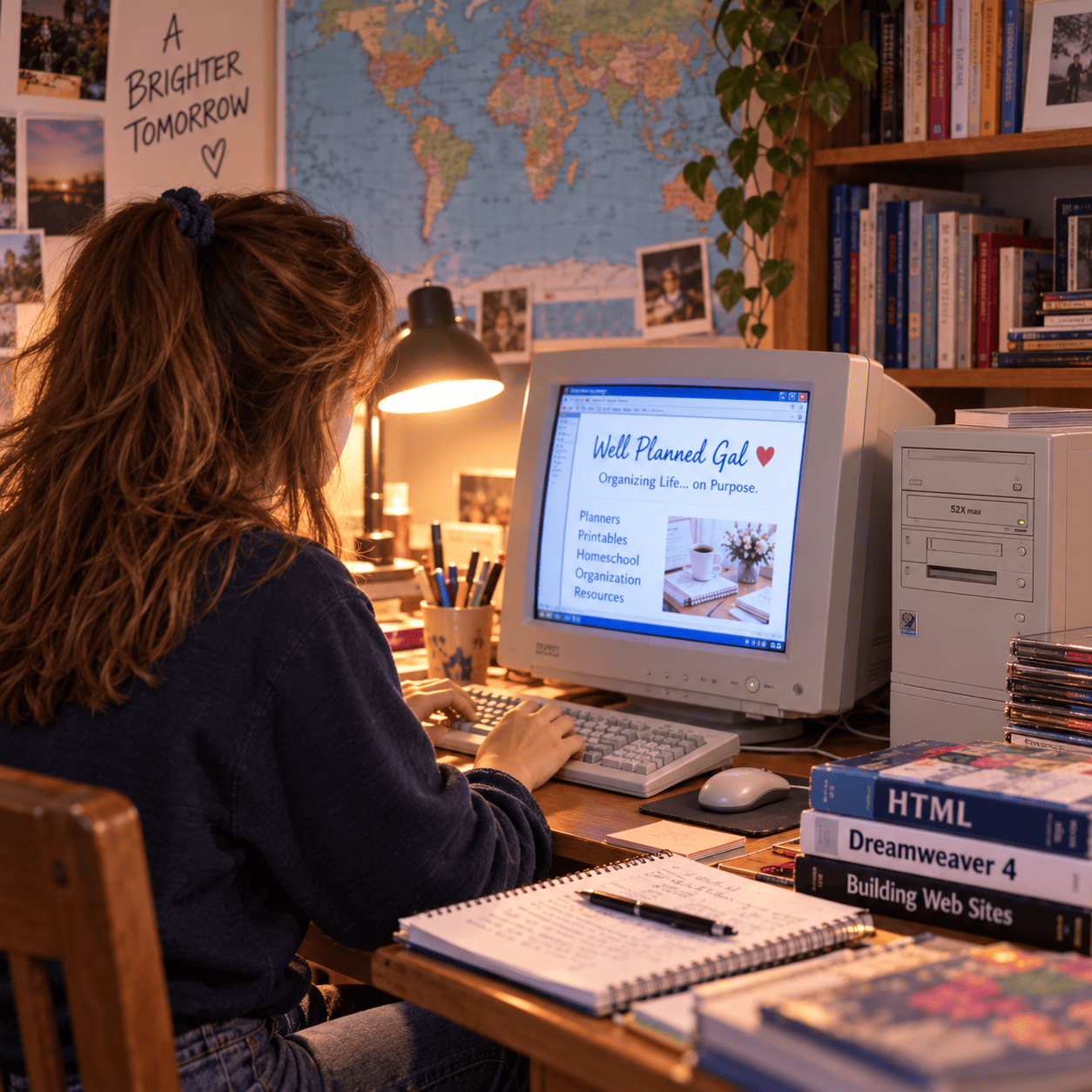
Homeschooling five children turned the everyday challenges of family life into ideas for better tools, resources and systems.
For decades, homeschooling was not a market Rebecca studied from a distance. It was the rhythm of her own home. Educating five children meant balancing different ages, subjects, schedules, personalities, learning needs and family responsibilities, often within the same day.
The planning tools and organizational systems Rebecca developed began as practical solutions for her own family. They needed to work in a real home, with real children and all the interruptions, changes and competing priorities that come with educating a family.
Those experiences eventually shaped products for other homeschool families facing many of the same challenges. More importantly, they created an unusually close understanding of the customer. Rebecca was not trying to imagine what a homeschool mother might need. She had spent years needing those things herself.
That firsthand experience would later influence not only the products she created, but also the way she understood the families those products were designed to serve.

Publishing began in 2007 and grew into planners, books, curriculum, digital resources and educational products created specifically for homeschool families.
In 2007, Rebecca entered publishing with a magazine created for families. That first publication grew into a much broader collection of products, including planners, books, curriculum, digital resources and educational materials designed around the practical needs of homeschool households.
Building the publishing business meant doing much more than creating products. It meant learning how families discovered new resources, what earned their trust, how they made purchasing decisions and what caused them to return year after year.
As the business grew, a different problem became increasingly important. Creating products families wanted was only one half of the equation. The other half was finding more of the families who needed them.
Rebecca discovered firsthand what many educational companies still encounter today. Homeschool families can be highly engaged customers, but they are remarkably difficult to identify through conventional audience categories.
The problem was no longer simply creating the right product. It was reaching the right family.

Conventional targeting could identify people interested in parenting or education. It could not reliably tell us which families were actually homeschooling.
The audience problem first appeared inside our own publishing business. We knew the families we wanted to reach because we had spent years creating products for them. Finding those same families through conventional advertising platforms was much more difficult.
Broad education categories included teachers, schools, college students and families using traditional education. Parenting interests were even broader. Neither provided the level of specificity we needed to consistently identify the homeschool families our products were designed for.
So we began building something different. Relationships developed through publishing became part of a larger strategy that included specialized targeting methods, participating homeschool properties and proprietary ways of identifying and reaching families across the community.
Over time, the marketing infrastructure became valuable beyond our own products. Other curriculum companies, publishers and educational brands were struggling with the same audience problem.
What began as a way to reach our own customers became the foundation for helping other businesses reach theirs.

What began with our own customers expanded through participating homeschool properties into specialized audience infrastructure built around the community itself.
Homeschool families do not gather in one place. They research curriculum on one website, discover resources through another, participate in communities, follow publishers, attend events, shop for educational products and build relationships with organizations they trust.
That fragmentation is one of the reasons the market can be so difficult for educational brands to reach. No single publication, website or organization represents the entire homeschool community.
By bringing audience relationships from participating homeschool properties together, we could create something no individual property could create on its own: greater audience scale while retaining the specialized context that makes the audience valuable.
Well Planned Advertiser developed the technology, targeting methods and campaign services needed to activate that audience for educational brands. Today, those capabilities include programmatic advertising, Meta audience targeting, the Family Discovery Engine and sponsored email campaigns.
The result is the culmination of everything that came before it: decades inside the homeschool community, years of creating and selling products to homeschool families, experience building technology and a marketing infrastructure designed specifically around an audience conventional tools have historically struggled to understand.
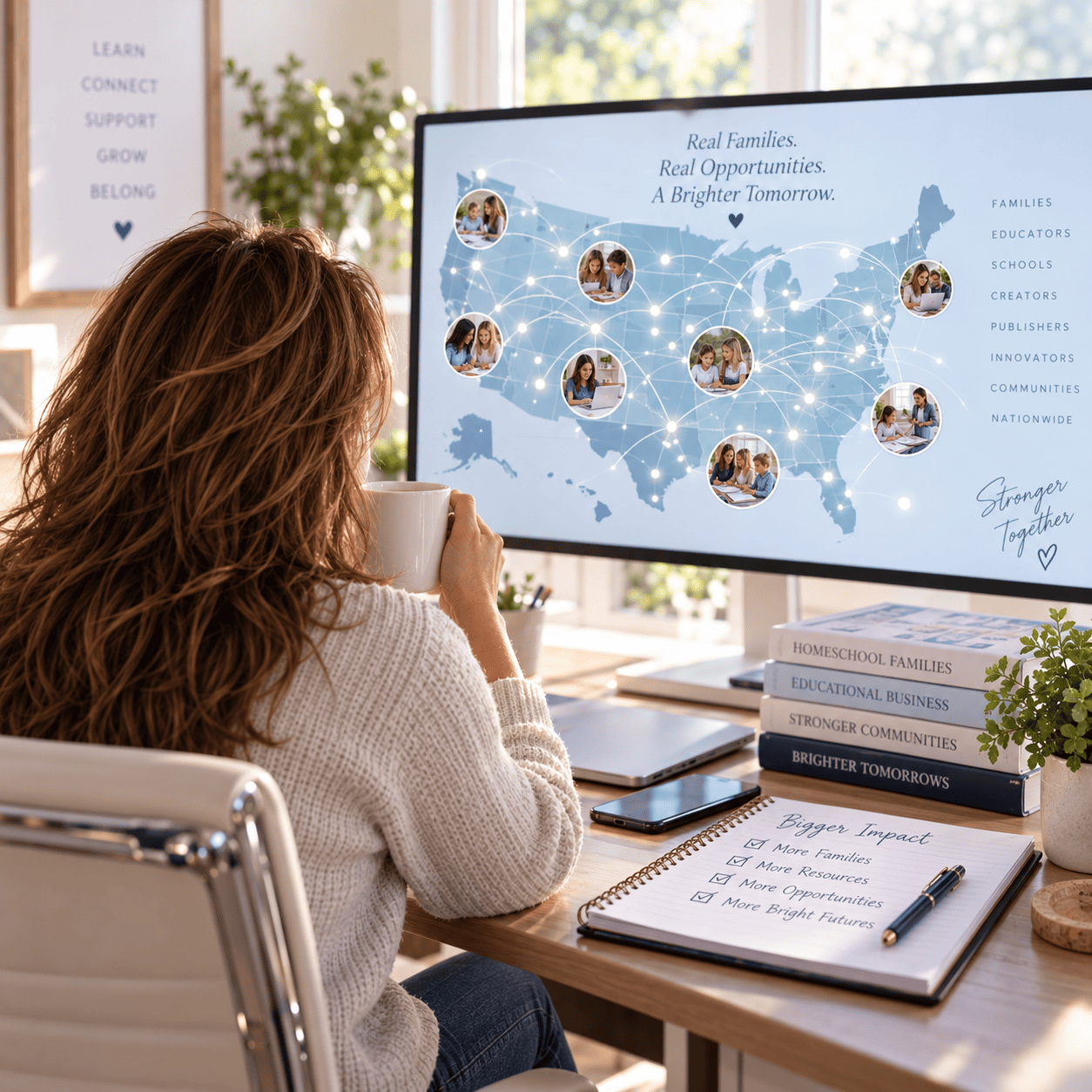
A homeschool convention brings families, publishers, curriculum companies and educational organizations together around a shared community. Our audience network creates a digital version of that idea, connecting participating homeschool properties into specialized audience infrastructure with nationwide reach.
Explore Our Approach
Finding homeschool families was only part of the challenge. We also needed to reach them efficiently once we found them.
See Our SolutionsA personalized outreach approach built on our audience intelligence and NeuroMetrixs.
A specialized audience built from our own homeschool audience intelligence.
Years of publishing, commerce and advertising created increasingly sophisticated ways to identify and reach homeschool families.
NeuroMetrixs and the Curious Mind methodology help us understand products, audiences, decision drivers and the different ways people explore and evaluate choices.
The broader Curious Mind ecosystem connects audience intelligence, commerce, funding, discovery and educational services.
Ideas move forward when vision and execution work together.

Homeschool student. Homeschool mother of five. Software developer. Publisher. Audience builder.
“What does this community need that doesn’t exist yet?”

Turning ideas into coordinated operations, client experiences and campaign delivery.
“Turning ideas into systems that can actually deliver.”
Together, Rebecca and Louis lead the strategy, systems and team behind Well Planned Advertiser.

Let’s put our audience, intelligence and experience
to work for your next campaign.
A team that understands educational families.
Data-informed strategy across channels.
Campaigns that create real opportunities.